Vintage Guitar Expert Resource Center: Authentication & Selling Guides

2 04, 2026

How to Sell a Large Guitar Collection (Every Option, Honestly Explained)

2026-04-02T22:47:45+00:00April 2, 2026|

Whether you've built your collection over decades or just inherited one you don't know how to value, selling a large guitar collection is a real job — not a weekend project. This guide covers every selling avenue honestly: Reverb, eBay, Facebook Marketplace, local dealers, consignment, auction houses, and more. We've handled collections of 700+ instruments and help with every step, including identification, documentation, and organization. Read the full breakdown, then decide what's right for you.

26 03, 2026

Complete Dot Neck ES-330 Authentication Guide & Timeline (1958-1962)

2026-04-01T16:45:22+00:00March 26, 2026|

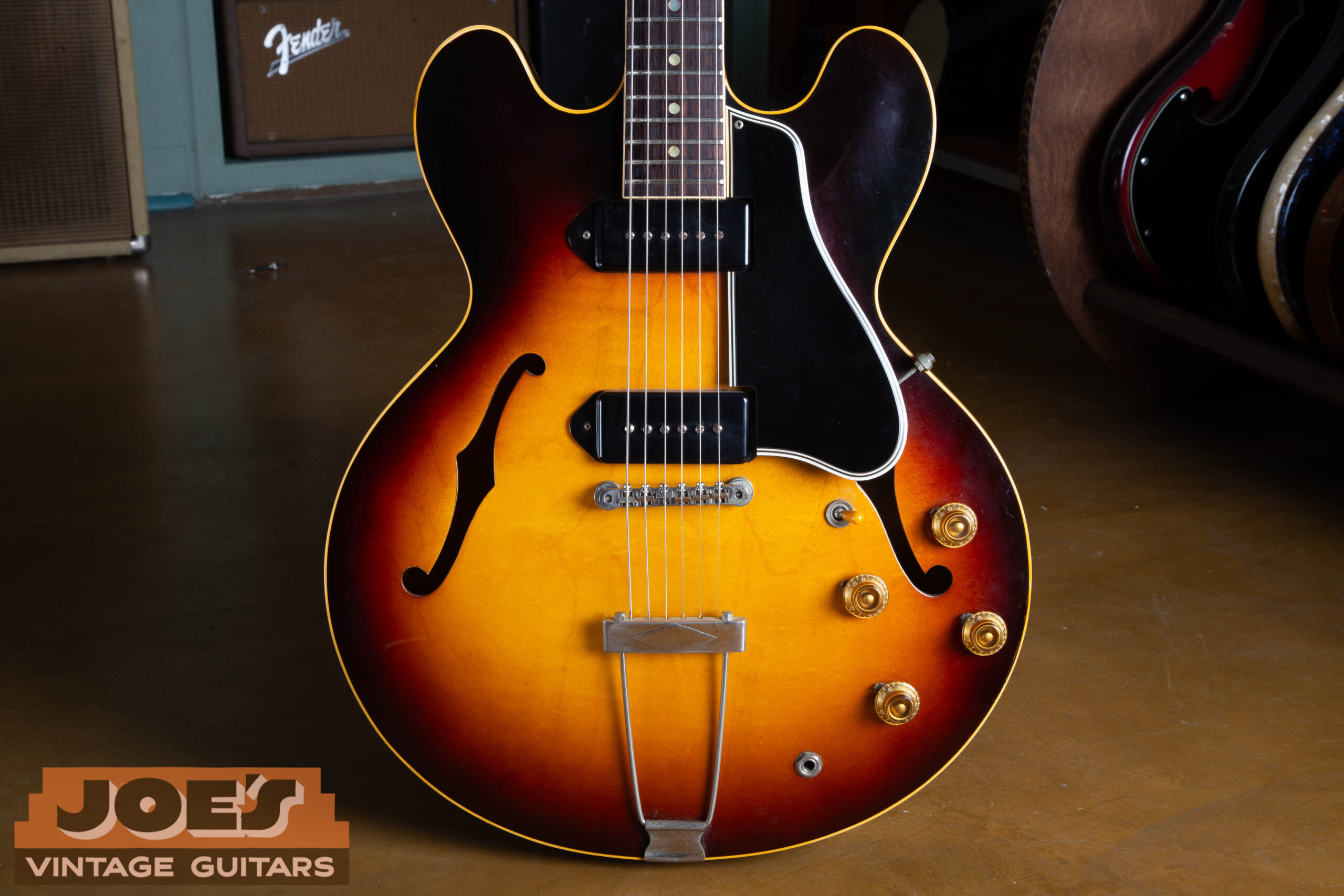
The dot-neck Gibson ES-330 is one of the most misunderstood guitars of Gibson's golden era. Fully hollow, dogear P-90 equipped, and joining the body at the 16th fret — not the 17th, not the 19th — it's a fundamentally different instrument from the ES-335 it's so often compared to. This guide covers every specification of the 1959–1962 dot-neck era in exhaustive detail: neck profiles by year, knob changes, saddle materials, serial numbers, FON dating, cases, pickguard construction, vibrato variants, and every other detail that separates an original example from a modified one — and a 1959 from a 1962.

17 03, 2026

The Complete Fender Jazzmaster Evolution Guide: Every Spec Change from 1958 to 1971

2026-03-24T18:47:49+00:00March 17, 2026|

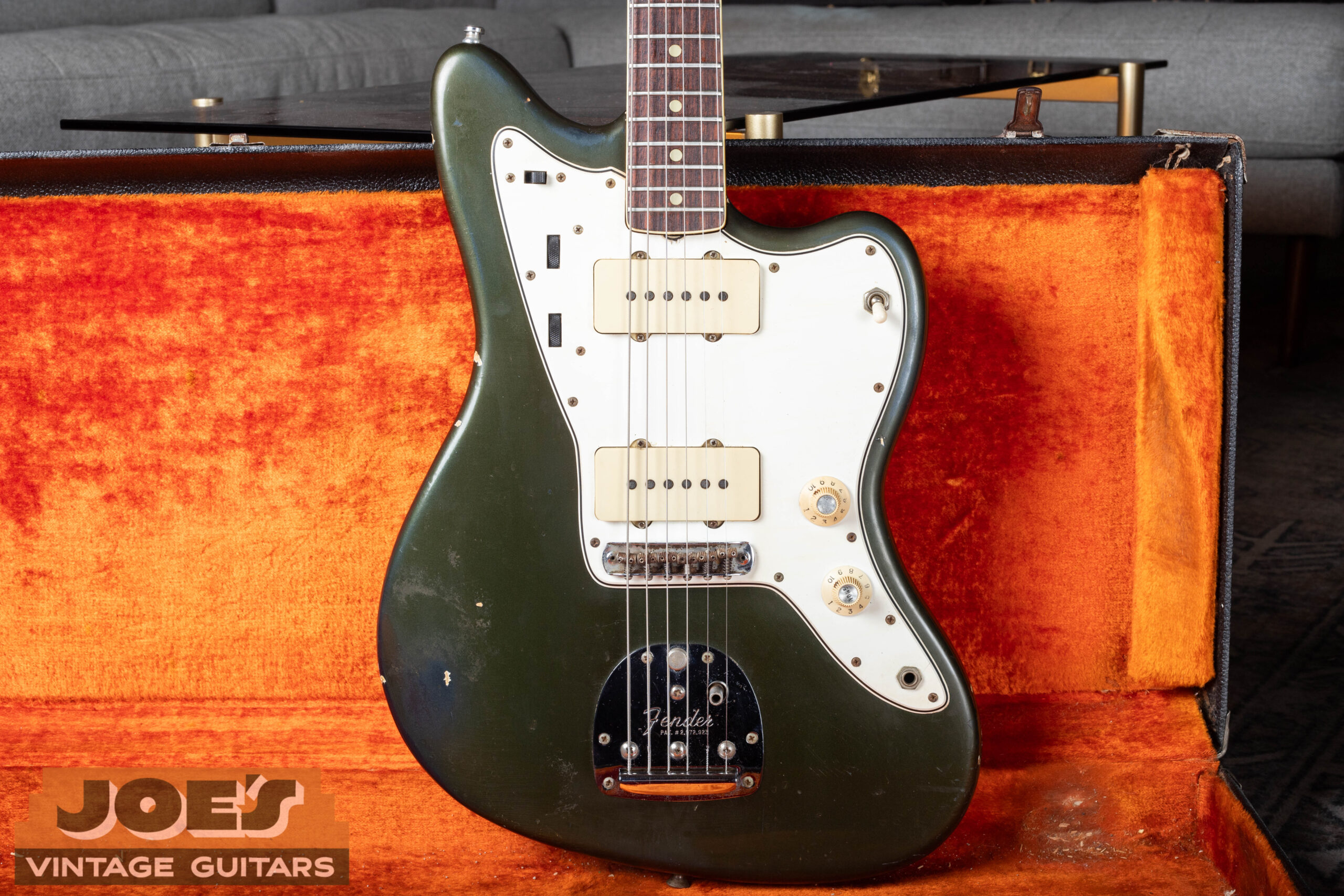
The Fender Jazzmaster changed more times in its first 14 years than almost any other model in the Fender lineup. This guide documents every spec change year by year — gold guard to tortoiseshell, slab to veneer, clay dots to pearl to blocks, spaghetti to CBS black logo, Klusons to F-tuners, and a complete custom color reference with the correct pickguard pairing for every finish.

17 03, 2026

The Definitive 1966 Gibson ES-335 Authentication Guide: Patent Number Pickups, Trapeze Tailpiece & Every Pre-Norlin Detail

2026-03-24T20:49:09+00:00March 17, 2026|

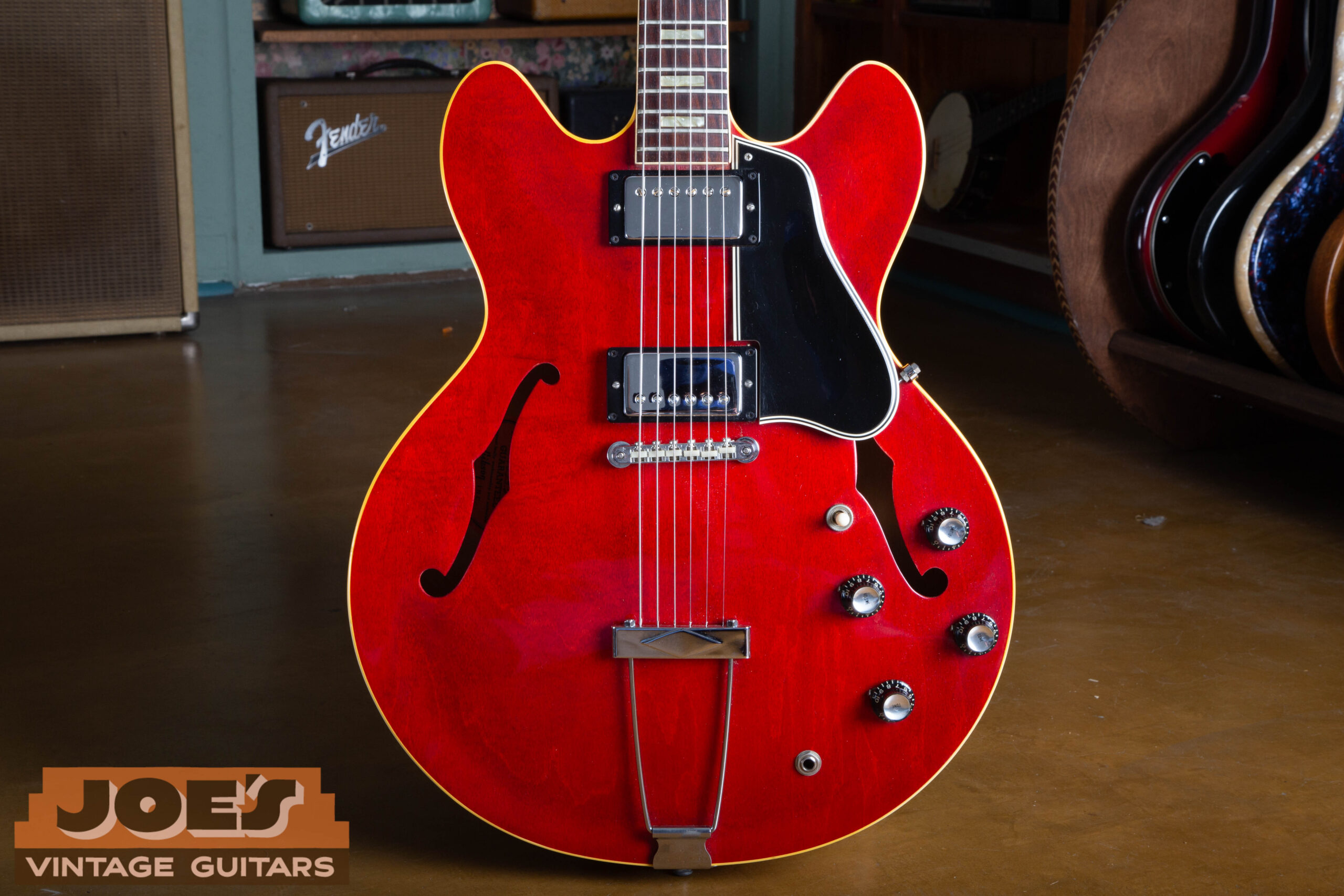
The 1966 Gibson ES-335 is a pre-Norlin Kalamazoo instrument built to the same standard as the celebrated early 1960s examples — Patent Number humbuckers, ABR-1 bridge with nylon saddles, trapeze tailpiece, and tortoise side dots that most buyers don't even know to look for. This guide covers every authentication detail with close-up photos of a complete mint original, including one of the rarest finds in vintage Gibson collecting: a full set of intact case candy.

16 03, 2026

The Definitive 1962 Fender Stratocaster Authentication Guide: Slab Board, Black Pickups & Pre-CBS Details

2026-03-24T20:51:02+00:00March 16, 2026|

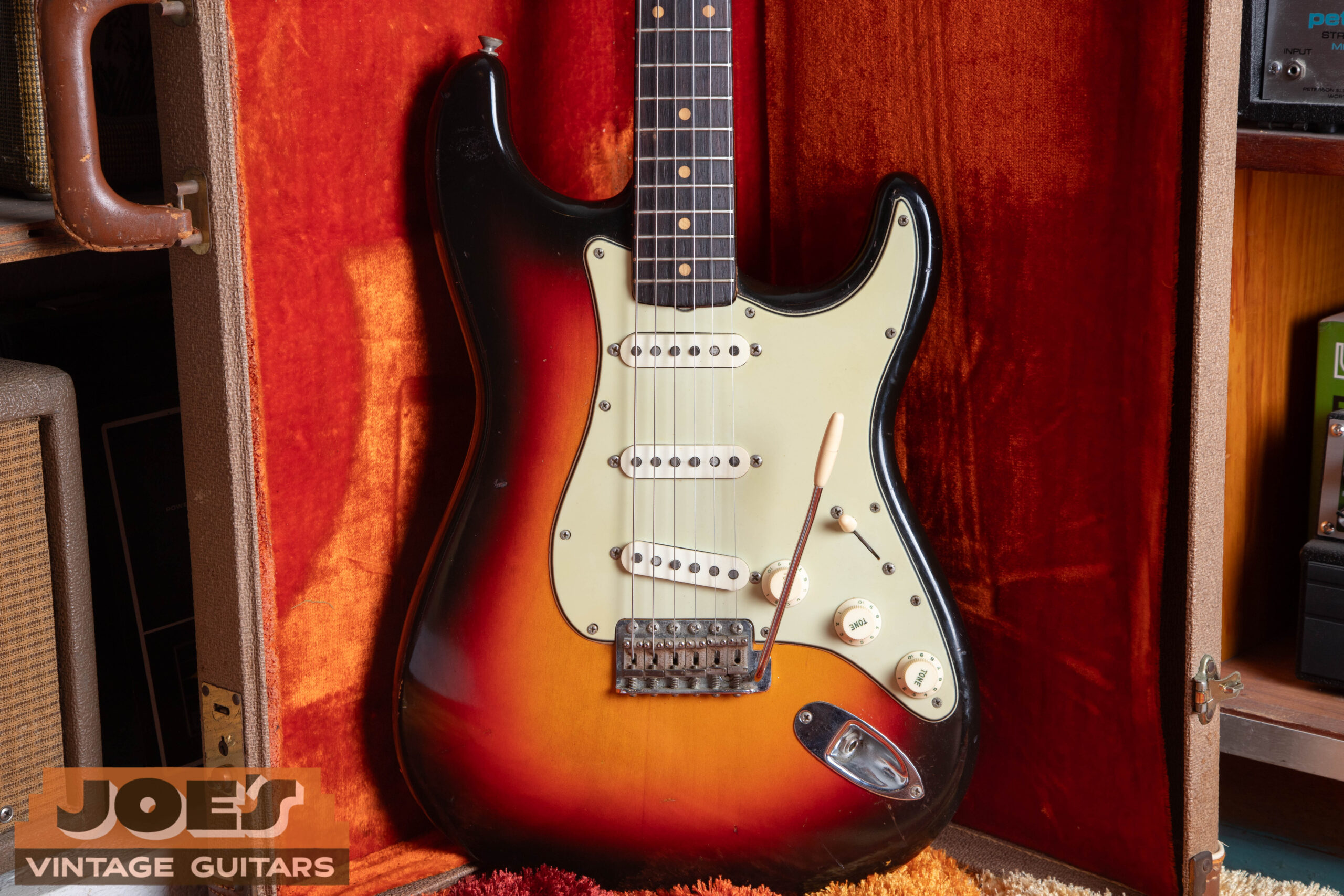
The 1962 Fender Stratocaster sits at the end of the first golden age of Fullerton production — pre-CBS, pre-veneer on early examples, and built to a standard that has never been matched. The defining challenge of authenticating a 1962 is the mid-year slab-to-veneer rosewood transition, but there's far more to it: black-bottom pickups, pot code triangulation, the puzzle piece finish test, nail holes with bare wood inside, and a mint-green pickguard that only original celluloid produces. This guide covers every detail.

16 03, 2026

1959 Fender Telecaster Authentication Guide: Originality & Specs Check

2026-03-24T20:51:33+00:00March 16, 2026|

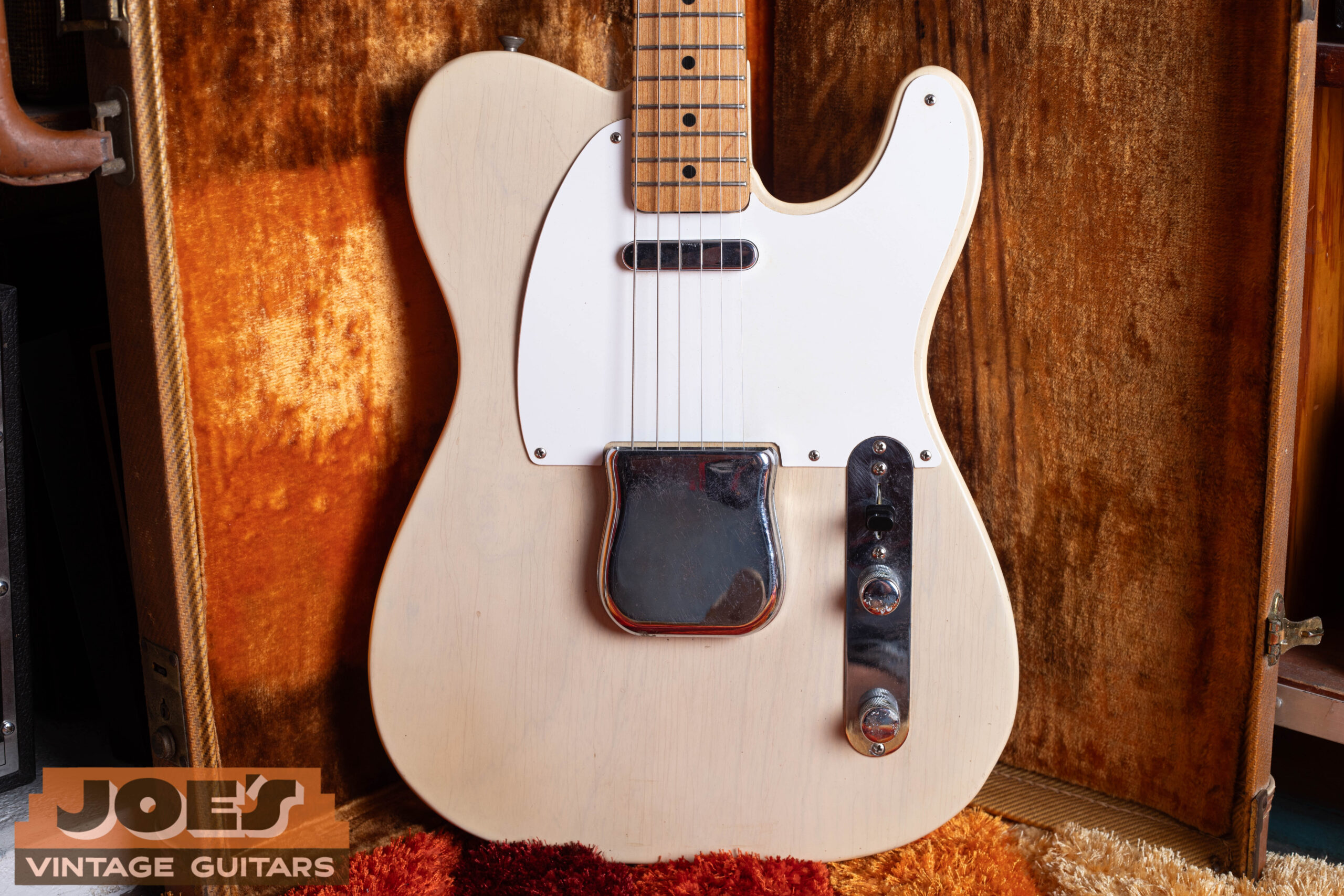
The 1959 Fender Telecaster is the most transition-dense year in the instrument's history — slab rosewood fingerboard, top-loader bridge reversal, the Telecaster Custom introduction, and a mid-year gap where Fender employees were ordered to stop dating necks entirely. This guide covers every feature change, every dating method, and every detail that separates a genuine 1959 from a reissue or misrepresented example.

16 03, 2026

1954 Gibson Les Paul Goldtop Authentication Guide: Every Detail That Matters

2026-03-24T20:52:09+00:00March 16, 2026|

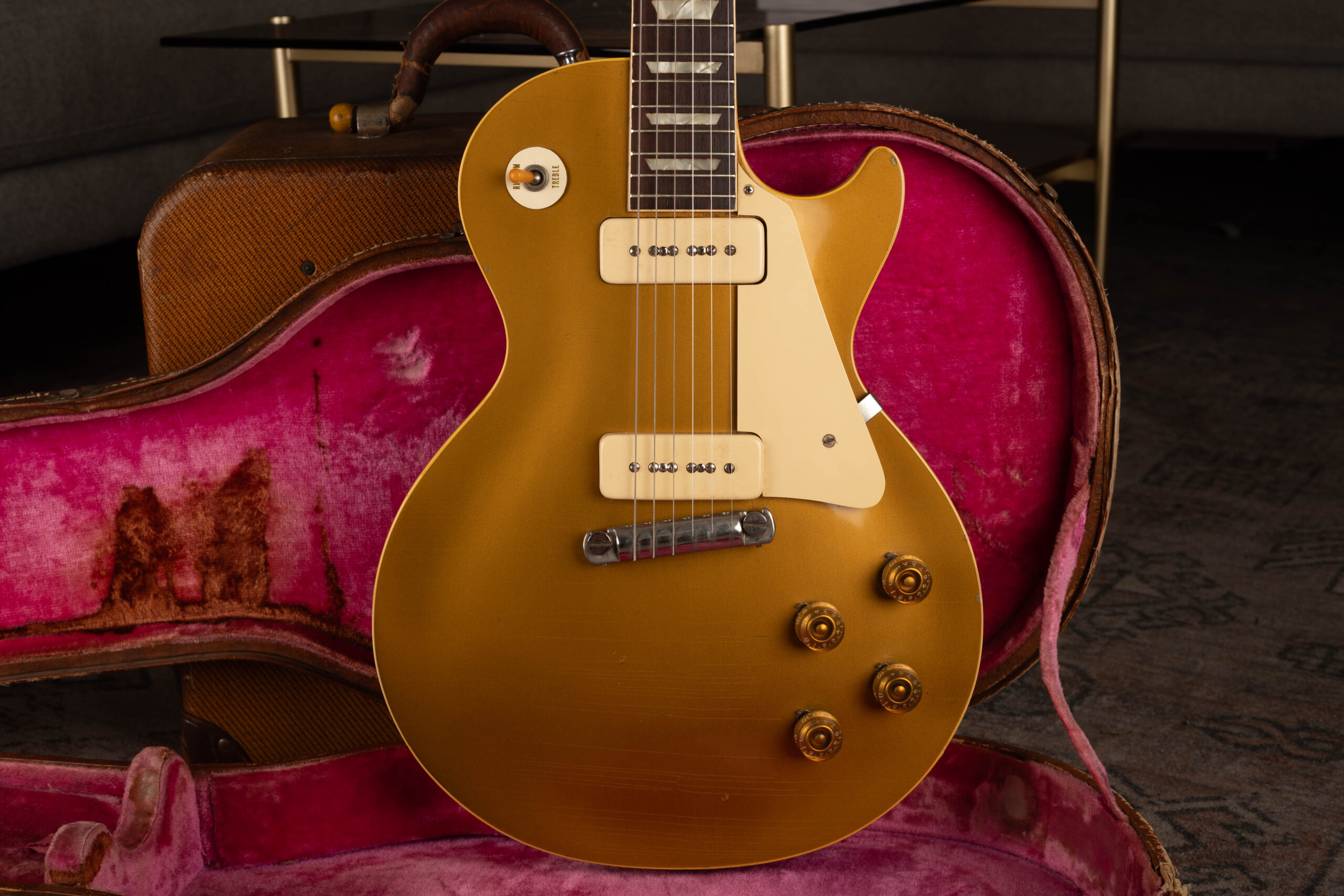
The complete authentication reference for the 1954 Gibson Les Paul Goldtop — the first full production year with the corrected neck pitch and wrap tail bridge. Covers every year-specific detail: serial numbers, no-line Kluson tuners, Grey Tiger capacitors, barrel knobs, P-90 pickups, bullion gold finish, and how to distinguish a genuine 1954 from a reissue or a date-shifted neighbor.

16 03, 2026

Gibson Byrdland Authentication Guide: How to Date & Identify Any Example (1955–Present)

2026-03-24T20:54:37+00:00March 16, 2026|

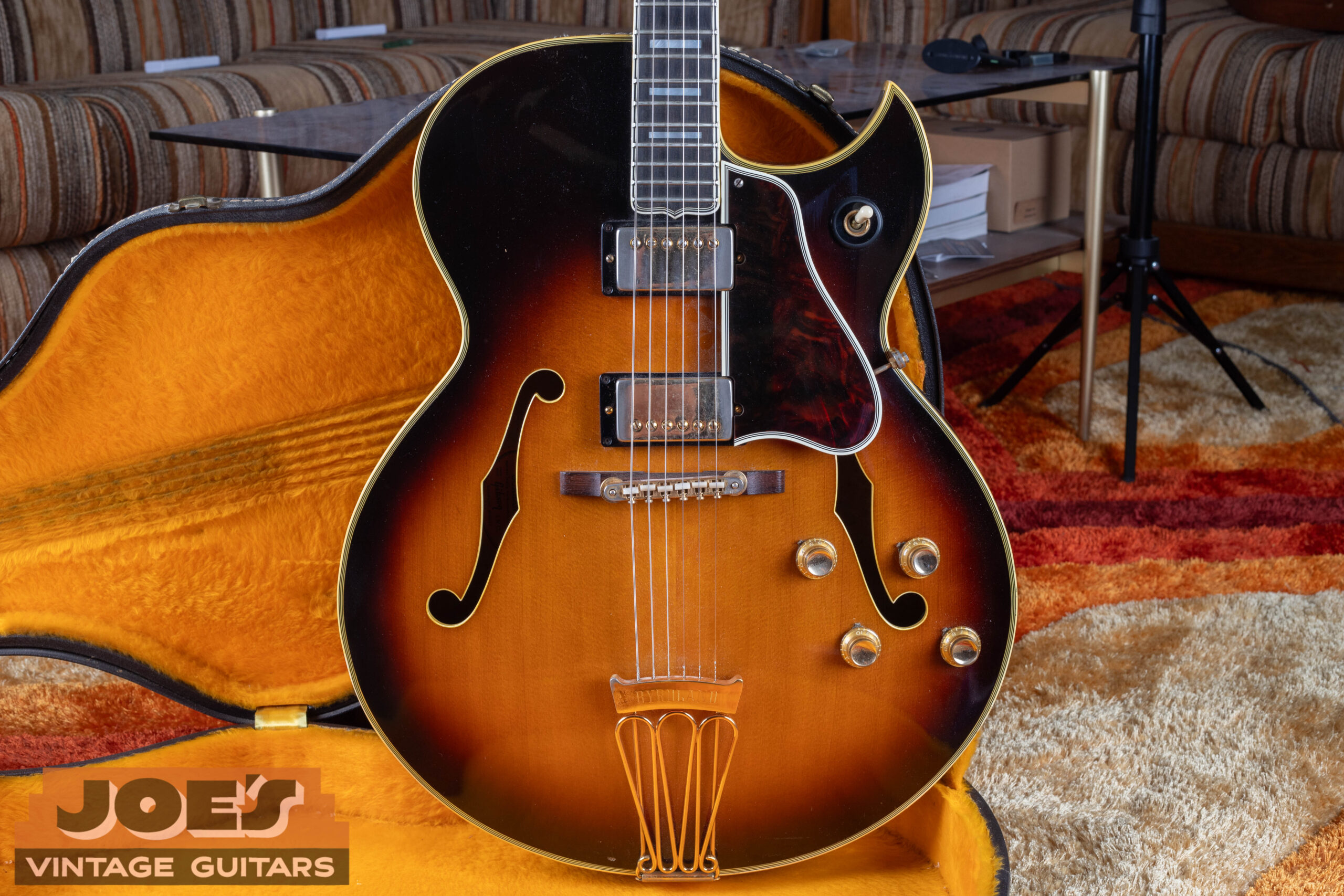
How to identify and authenticate any Gibson Byrdland — from the first Kalamazoo prototypes in 1955 through the current Custom Shop era. Covers every major construction change: cutaway shape, pickups, solid vs. pressed back, neck lamination, nut width, labels, serial numbers, hardware, and more.

12 03, 2026

The 1951, 1952 & 1953 Fender Precision Bass: The Complete Slab-Body P-Bass Authentication & Valuation Guide

2026-03-24T20:57:22+00:00March 12, 2026|

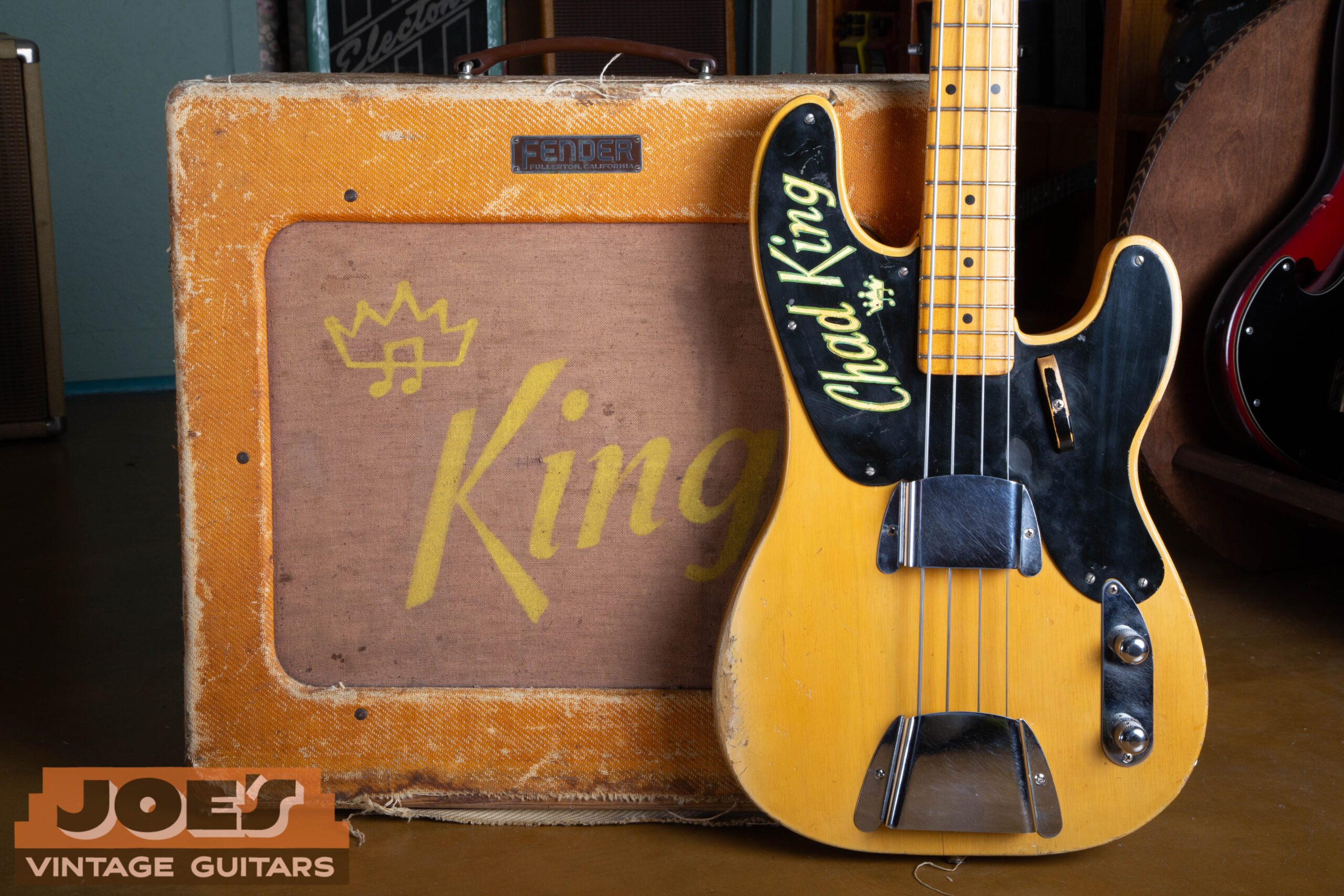
The definitive collector's guide to the 1951, 1952, and 1953 Fender Precision Bass — the original slab-body P-Bass that changed music forever. Joe Dampt covers every authentication detail: butterscotch nitro finish, tan lines under the hardware, nail holes, the early single-coil pickup with white string wrapping, pressed fiber saddles, Clarostat pots, paper-in-oil capacitor, large flat metal tuner buttons, mismatched neck and body dates, and more. Free appraisals nationwide.

Go to Top